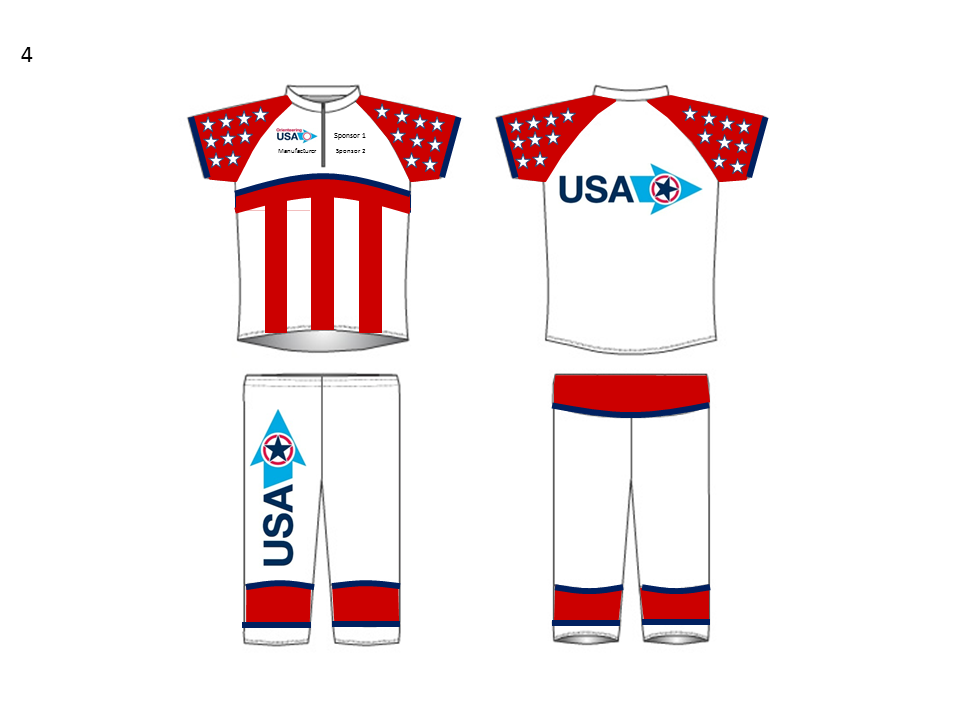
Orienteering USA ordnade en tävling där man skulle designa deras nästa tävlingströja, Team USA Uniform Design Competition. De fick 77 bidrag varav mina syns här nedan. De bygger på en design jag utarbetade för några år sedan åt Femman. Liksom femman gjorde då så valde nu också Team USA ett annat bidrag. Jag vann alltså inte 250 dollar och evig ära och berömmelse men jag är övertygad om att jag kom på en god delad andra plats med de 76 andra som inte vann. Vinnaren borde publiceras snart på Orienteering USA:s hemsida.
fredag 21 februari 2014
fredag 20 december 2013
Daniel C. Dennett - Darwin´s Dangerous Idea
Efter Pinker var det dags för nästa bok som snällt väntat i bokhyllan: Darwin´s Dangerous Idea av Daniel C. Dennett. Jag har hunnit läsa ca 80 sidor och har en känsla av att den här boken är den bästa jag läst i ämnet hittills.
Dennett lovar att han inte skall undvika de uppenbara konflikterna mellan evolutionsteorin och religion och jag hoppas han håller vad han lovar. De böcker jag läst hittills har inte riktigt tagit upp detta ämne.
"This book, then, is for those who agree that the only meaning of life worth caring about is one that can withstand our best efforts to examine it."
"Darwin´s dangerous idea is that Design can emerge from mere Order via an algorithmic process that makes no use of pre-existing Mind. Skeptics have hoped to show that at least somewhere in this process, a helping hand (more accurately, a helping Mind) must have been provided - a skyhook to do some of the lifting. In their attempts to prove a role for skyhooks, they have often discovered cranes: products of earlier algorithmic processes that can amplify teh power of the basic Darwinian algorithm, making the process locally swifter and more efficient in a nonmiraculous way. Good reductionists suppose that all Design can be explained without skyhooks; greedy reductionists suppose it can all be explained without cranes."
måndag 11 november 2013
Steven Pinker - How The Mind Works
Jag har i höst underhållit mig med att läsa Steven Pinkers "How the mind works". Efter
520 sidor så var det äntligen
dags, det sista kapitlet bar titeln 'The meaning of life'. Den som väntar på något gott...
"But there is something peculiarly holistic and everywhere-at-once and nowhere-at-all and all-at-the-same-time about the problems of philosophy. Sentience in not a combination of brain events or computational states: how a red-sensitive neuron gives rise to the subjective feel of redness is not a whit less mysterious than how the whole brain gives rise to the entire stream of consciousness. The "I" is not a combination of body parts or brain states or bits of information, but a unity of selfness over time, a single locus that is nowhere in particular. Free will is not a causal chain of events and states, by definition. Although the combinatorial aspect of meaning has been worked out (how words or ideas combine into the meanings of sentences or propositions), the core of meaning - the simple act of referring to something - remains a puzzle, because it stands strangely apart from any causal connection between the thing referred to and the person referring. Knowledge, too, throws up the paradox that knowers are acquainted with things that have never impinged upon them. Our thoroughgoing perplexity about the enigmas of consciousness, self, will, and knowledge may come from a mismatch between the very nature of these problems and the computational apparatus that natural selection has fitted us with.
If these conjectures are correct, our psyche would present us with the ultimate tease. The most undeniable thing there is, our own awareness, would be forever out of our conceptual grasp. But if our minds are part of nature, that is to be expected, even welcomed. The natural world evokes our awe by the specialized designs of its creatures and their parts. We don´t poke fun at the eagle for its clumsiness on the ground or fret that the eye is not every good at hearing, because we know that a desing can excel only by compromising at others. Our bafflement at the mysteries of the ages may have been the price we paid for a combinatorial mind that opened up a world of words and sentences, of theories and equations, of poems and melodies, of jokes and stories, the very things that make a mind worth having."
Där de avslutande orden. Väl värda mödan enligt mig. Rekommenderar boken.
"But there is something peculiarly holistic and everywhere-at-once and nowhere-at-all and all-at-the-same-time about the problems of philosophy. Sentience in not a combination of brain events or computational states: how a red-sensitive neuron gives rise to the subjective feel of redness is not a whit less mysterious than how the whole brain gives rise to the entire stream of consciousness. The "I" is not a combination of body parts or brain states or bits of information, but a unity of selfness over time, a single locus that is nowhere in particular. Free will is not a causal chain of events and states, by definition. Although the combinatorial aspect of meaning has been worked out (how words or ideas combine into the meanings of sentences or propositions), the core of meaning - the simple act of referring to something - remains a puzzle, because it stands strangely apart from any causal connection between the thing referred to and the person referring. Knowledge, too, throws up the paradox that knowers are acquainted with things that have never impinged upon them. Our thoroughgoing perplexity about the enigmas of consciousness, self, will, and knowledge may come from a mismatch between the very nature of these problems and the computational apparatus that natural selection has fitted us with.
If these conjectures are correct, our psyche would present us with the ultimate tease. The most undeniable thing there is, our own awareness, would be forever out of our conceptual grasp. But if our minds are part of nature, that is to be expected, even welcomed. The natural world evokes our awe by the specialized designs of its creatures and their parts. We don´t poke fun at the eagle for its clumsiness on the ground or fret that the eye is not every good at hearing, because we know that a desing can excel only by compromising at others. Our bafflement at the mysteries of the ages may have been the price we paid for a combinatorial mind that opened up a world of words and sentences, of theories and equations, of poems and melodies, of jokes and stories, the very things that make a mind worth having."
Där de avslutande orden. Väl värda mödan enligt mig. Rekommenderar boken.
onsdag 6 november 2013
Arcade Fire - Afterlife
Arcade Fire framförde en livevideo till Afterlife på YouTube Music Awards. Så bra låt, bra framförande och bra text att det är värt att blogga om :)
(Och samtidigt så sorgligt att det stockas i halsen)
Afterlife, oh my God, what an awful word
After all the breath and the pill and the fires that burn
And after all this time, and after all the ambulances go
And after all the hangers-on are done hanging on to the dead lights
Of the afterglow.
After all the breath and the pill and the fires that burn
And after all this time, and after all the ambulances go
And after all the hangers-on are done hanging on to the dead lights
Of the afterglow.
torsdag 8 augusti 2013
Thinking, Fast and Slow
I began this book by introducing two fictitious characters, spent some time discussing two species, and ended with two selves. The two characters were the intuitive System 1, which does the fast thinking, and the effortful and slower System 2, which does teh slow thinking, monitors System 1, and maintains control as best as it can within its limited resources. The two species were the fictitious Econs, who live in the land of theory, and the Humans, who act in the real world. The two selves are the experiencing self,which does the living, and the remembering self, which keeps score and makes the choices.Jag läste ut Thinking, Fast and Slow av Daniel Kahnemann i morse. Passlig fortsättning i min serie* böcker om hur vi tänker och fungerar. Boken var intressant men kändes lite långrandig emellanåt och mycket av det som den presenterade hade jag stött på tidigare. Kahnemann har fått Nobelpriset i ekonomi och det märktes mera ju längre man läste. Men någon traditionell ekonomi handlade det inte om utan mera om hur vi fattar beslut.
*Övriga böcker i serien: Evans: Thinking Twice - two minds in one brain, Wegner: The Illusion of Consciouss Will, Stanovich: The Robots Rebelllion. The Robots Rebellion presenterade kanske de intressantaste ideérna men var också den som var sämst skriven. Stanovich fick mig att se på följderna av Darwins läror i ett nytt ljus.
tisdag 6 augusti 2013
Puttemans went sportjournalist
Förra veckan rapporterade jag från Kvarkenträffen i Vasabladet, blev specialinkallad på torsdagen. Skrev runt 2500 tecken om deltävling två och tre (fredag och lördag). Det var rätt kul men lite jobbigt att kombinera med att vara arrangör (deltävling 2) och att springa själv (deltävling 3). De blev brottom att få tag på intervjuobjekten och fokus låg mera på artiklarna än egen prestation. Om jag gör det igen får det bli nån gång då jag inte springer själv.
Den enda som ens blev lite överraskad av detta verkar vara jag själv.
måndag 5 augusti 2013
Kvarkenträffen deltävling III; H21A kontroll 18
Det var helt klart nåt lurt med kontroll 18 i lördags. Alla herrar och alla damer har enligt GPS:en stämplat lite för långt norrut. Men då man kom norrifrån så hittade de flesta den utan att bomma så de var kanske inte så farligt.
Prenumerera på:
Inlägg (Atom)